Why Linux Permissions Break Laravel Applications (And Why It Works on Windows)
One of the most frustrating Laravel deployment moments happens when the application works perfectly on localhost…
but suddenly breaks after moving to Linux production.
No obvious syntax errors.
No broken controllers.
No missing routes.
Everything looks correct.
Yet somehow:
- image uploads stop working
- sessions expire randomly
- logs stop updating
- cache fails silently
- and sometimes Laravel throws a mysterious 500 server error
The confusing part is that the Laravel code itself may be completely fine.
In many real-world deployments, the actual problem is not Laravel at all.
It is Linux permissions.
This is one of the biggest reasons developers experience situations where the application works locally but not on the server, especially when moving from Windows development environments to Linux VPS hosting.
If you’ve encountered that before, this issue is closely related to Laravel Works Locally but Not on Server — The Hidden Differences You Must Understand Laravel developer.
Quick Fix for Laravel Permission Problems
In many deployments, these commands immediately solve the issue:
chmod -R 775 storage bootstrap/cacheThen:
chown -R www-data:www-data storage bootstrap/cacheOn Ubuntu servers, www-data is commonly used by:
- NGINX
- Apache
- PHP-FPM
Depending on the environment, the server user may also be:
- apache
- nginx
Why Linux Permissions Cause So Many Laravel Problems
Laravel constantly writes files behind the scenes.
Even when users simply visit pages, Laravel may still need to:
- write cache files
- store sessions
- generate compiled Blade views
- save logs
- upload files
- create framework cache
- On Windows local environments, these operations often work automatically because Windows permissions are much more forgiving.
- Linux behaves very differently.
- Linux servers are strict about:
- ownership
- writable directories
- executable permissions
- user groups
If the web server user cannot write to Laravel directories, parts of the framework silently fail.
That is why Linux permission issues often feel random and difficult to diagnose.
The Most Important Laravel Directories
Laravel especially depends on these directories:
storage/ bootstrap/cacheThese folders are critical because Laravel stores:
- logs
- sessions
- cache
- compiled views
- uploaded files
- inside them.
If Linux blocks write access to these directories, Laravel may suddenly start showing problems like:
- blank pages
- failed uploads
- broken sessions
- cache errors
- 500 server errors
These deployment-related failures are also commonly connected to:
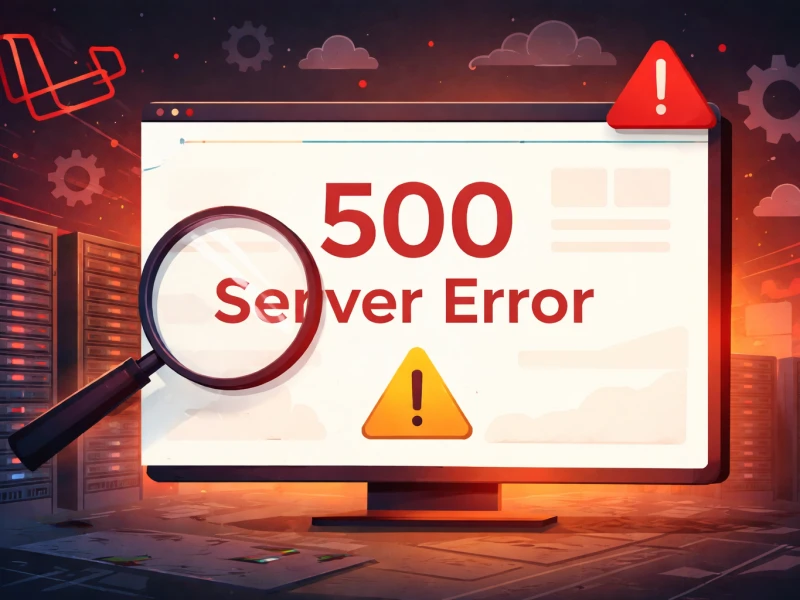
Laravel 500 Server Error — Why It Happens After Deploy or During Development
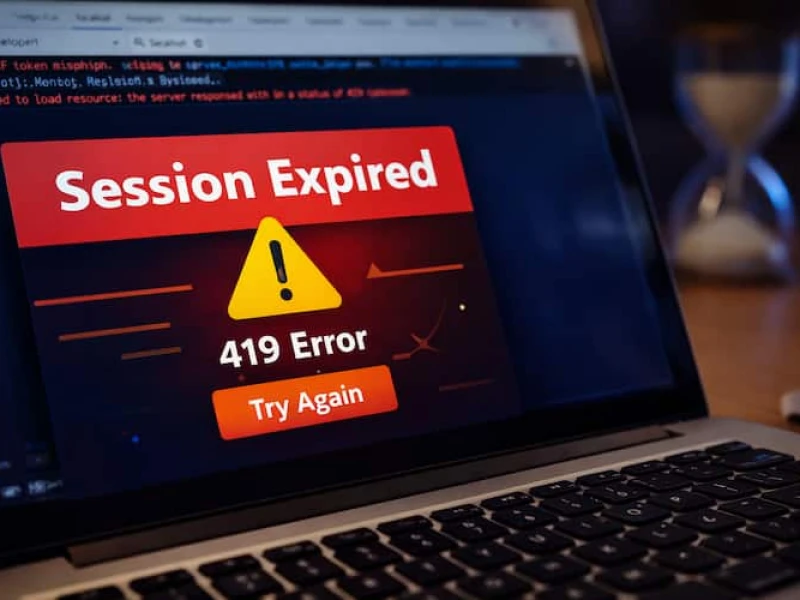
Laravel Session Expired Error – Causes, Fix, and Prevention Guide
Laravel Deployment Errors — Complete Fix Guide
Common Laravel Permission Errors on Linux
Linux permission problems usually appear as:
- Permission denied
- Failed to open stream
- Cache path not writable
- Session not persisting
- Uploaded images missing
- Logs not updating
- 500 Internal Server Error
But one of the hardest parts is that sometimes Laravel shows almost no useful error message at all.
This creates the illusion that Laravel itself is broken.
In reality, Linux is simply blocking Laravel from writing files.
This kind of silent debugging nightmare is also discussed in:
Laravel Debugging Guide (2026) — Fix Any Error Even Without Error Messages
Why Everything Works on Windows But Fails on Linux
This is one of the most confusing parts for Laravel developers.
The application behaves perfectly locally…
then suddenly breaks after deployment.
Linux introduces stricter behavior for:
- filename case sensitivity
- ownership
- writable directories
- symbolic links
- server users
This is also why developers frequently encounter issues like:
- missing uploaded images
- broken storage links
- failed cache generation
- frontend assets disappearing
- especially on shared hosting or cPanel environments.
Related problems include:
Laravel Storage:link Not Working on cPanel (Images Missing After Deploy)
Vite Manifest Not Found in Laravel (Beginner-Friendly Explanation and Fix)
Why chmod 777 Is Usually a Bad Idea
Many developers temporarily solve Laravel permission issues using:
- chmod -R 777 storage bootstrap/cache
- This may appear to fix the problem…
- but it is dangerous on production servers.
- 777 gives full write access to everyone on the system.
- A safer approach is usually:
- 775
- combined with correct ownership configuration.
Why Git Pull Sometimes Breaks Laravel Again
One frustrating thing about Linux permissions is that everything may work correctly…
until the next deployment.
After:
- git pull
ownership or permissions may reset again.
New files often inherit different permission states depending on the deployment process.
This is why experienced Laravel developers usually automate deployment steps instead of fixing permissions manually every time.
Better Long-Term Laravel Deployment Strategy
As Laravel projects grow, manual deployment becomes unreliable.
Many developers eventually automate:
php artisan optimize:clearphp artisan storage:linkchmod -R 775 storage bootstrap/cacheinside deployment scripts or CI/CD pipelines.
This dramatically reduces production deployment issues and makes Laravel deployments far more predictable.
Conclusion
Linux permissions are one of the biggest hidden reasons Laravel applications fail after deployment.
The Laravel code itself may be completely correct…
but the server environment silently prevents the framework from writing the files it depends on.
Once you understand how Laravel interacts with Linux permissions, these “works locally but breaks on production” problems become much easier to diagnose and fix.
































Discussion 0