
Laravel Debugging Guide (2026) — Fix Any Error Even Without Error Messages
Working with Laravel is usually smooth… until it suddenly stops working.
No errors.
No logs.
Everything looks fine.
And you’re just sitting there like:
“What did I break?”
If you’ve worked with Laravel for a while, you’ve probably been here:
- Everything works perfectly locally
- You deploy… and it breaks
- No clear error message
- No obvious reason
That moment where you stare at your screen thinking:
“What is even happening?”
This is one of the most frustrating parts of Laravel development.
I’ve personally spent hours debugging issues like this… only to discover the problem was something simple:
- Cached configuration
- Wrong .env values
- Or even incorrect /public setup
👉 For example, if your app works locally but breaks on the server, it’s often due to hidden deployment issues.
But here’s what most beginners don’t realize:
Laravel is not the problem.
The real issue is how you debug.
Once you follow a clear process, debugging becomes much easier.
👉 For instance, if your form doesn’t submit or nothing happens when you click submit, it’s often related to CSRF or routing issues.
In this guide, you’ll learn a simple, practical debugging process you can follow step by step — even when there are no visible errors.
Why Laravel Sometimes Fails Without Errors
Laravel doesn’t always fail loudly.
Sometimes it fails silently because of:
- Cached configuration overriding your changes
- Incorrect .env values
- Server misconfiguration
- Session / cookie issues
- File permission problems
These issues don’t always throw exceptions… which makes them tricky.
That’s why you need a systematic debugging approach — not random guessing.
Step 1: Start With the Basics
Before doing anything advanced, check the fundamentals.
✔️ Your .env file
Make sure:
- Database credentials are correct
- APP_URL matches your domain
- APP_ENV is set properly
✔️ Enable debug mode
APP_DEBUG=true
Without this, Laravel hides useful errors.
Step 2: Clear Cache (Fixes More Than You Think)
Laravel relies heavily on caching.
And sometimes… cache is the reason everything breaks.
Run this:
php artisan config:clearphp artisan cache:clearphp artisan route:clearphp artisan view:clear👉 Seriously — this fixes a huge number of issues.
Step 3: Check Laravel Logs
If nothing shows in the browser, go here:
storage/logs/laravel.logLook for:
- Exceptions
- Database errors
- Undefined variables
Most of the time, the real error is hiding here.
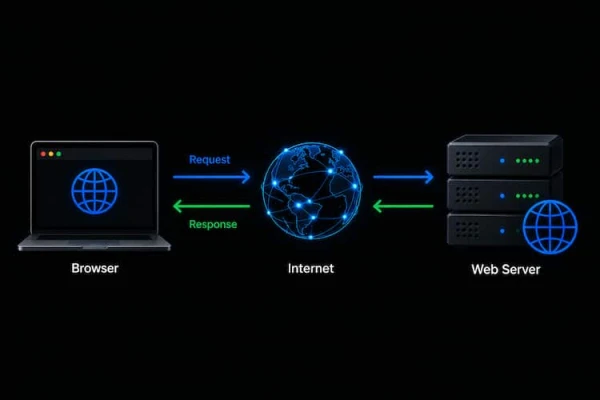
Step 4: Make Sure the Request Actually Works
Sometimes the problem isn’t your code…
The request never reaches it.
Check:
- Is the route correct?
- Is the form submitting?
- Is CSRF blocking the request?
👉 If your form isn’t working or nothing happens when you click submit, the issue is usually here.
I explained the exact causes and fixes in this guide:
Laravel Form Errors — Complete Fix Guide
Step 5: Use dd() Like a Pro
When everything looks fine… go manual.
dd('here');Place it step by step:
- Route
- Controller
- Middleware
This helps you find exactly where things stop.
Step 6: Fix Session & CSRF Issues
If you see:
- Login not working
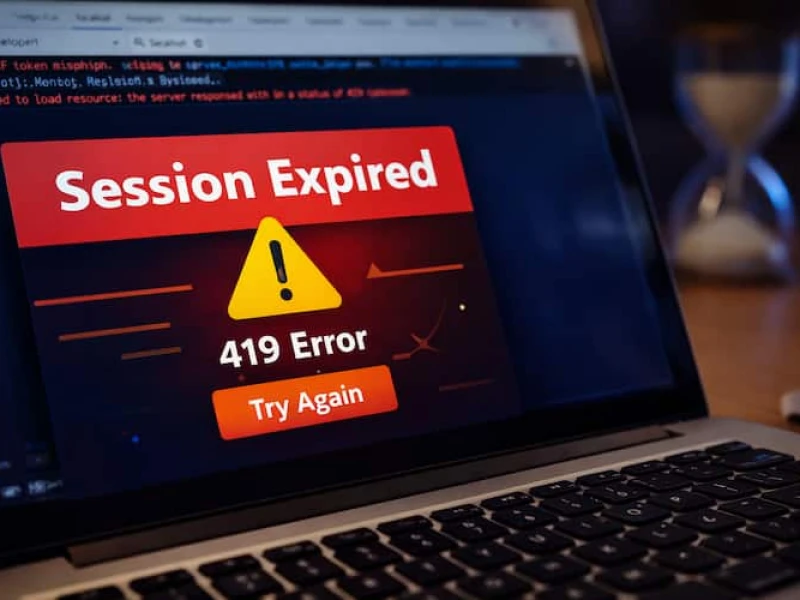
- 419 Page Expired
- Redirect loops
Then it’s probably session-related.
Common causes:
- Cookies not saved
- Wrong domain
- HTTPS issues
👉 I explained these issues in detail here:
- Laravel Login Not Working? (Session, CSRF, Redirect Fix Guide)
- How to Fix the 419 Page Expired Error in Laravel (Beginner-Friendly Guide)
Step 7: Works Locally But Not on Server?
This is very common.
Check:
- Document root → must point to /public
- File permissions
- .env differences
- Case sensitivity (Linux vs Windows)
👉 If your app works locally but breaks after deployment, this guide will help:
Laravel Deployment Errors — Complete Fix Guide
Step 8: File Permissions (Silent Killer)
Laravel needs write access to:
- storage/
- bootstrap/cache/
Fix:
chmod -R 775 storage bootstrap/cacheStep 9: Database Problems
If data isn’t saving:
- Check .env database config
- Run:
php artisan migrateSometimes the issue is simply:
Database is not connected.
Step 10: Autoload Issues
If you see an error like:
Target class does not exist
This can be confusing because:
- The controller exists
- The file name looks correct
- Everything seems fine
But Laravel still behaves like the class doesn’t exist.
👉 In most cases, this happens because:
- Autoload is not updated
- Namespace is incorrect
- Or cache is causing conflicts
Run:
composer dump-autoloadThen clear cache again.
👉 If you want a full breakdown of why this happens and how to fix it step by step, I explained it in detail here:
Laravel Target Class Does Not Exist — Why the Controller Exists but Laravel Cannot See It
Laravel Debugging Tools You Should Know
Using the right tools can make debugging much easier:
🔹 Laravel Debugbar
- Shows queries, routes, and execution time
- Perfect for beginners
🔹 Laravel Telescope
- Advanced debugging dashboard
- Tracks requests, logs, jobs
🔹 Laradumps
- Clean alternative to dd()
- Better visual output
How to Debug Laravel Using Logs
Logs are your best friend.
Quick tips:
- Always check logs before guessing
- Search for “ERROR” or “Exception”
- Combine logs with dd()
Debugging Laravel APIs (Without Losing Your Mind)
APIs can be tricky.
Use:
- Postman
- Browser DevTools
- JSON response checks
And always validate:
- Request payload
- Headers
- Auth tokens
Best Laravel Debugging Setup (Simple & Effective)
If you want a clean setup:
- Enable debug mode
- Install Debugbar
- Always clear cache
- Use logs + dd() together
This setup covers most problems.
Common Debugging Mistakes
Avoid these:
- ❌ Random Googling without understanding
- ❌ Ignoring logs
- ❌ Not clearing cache
- ❌ Changing too many things at once
Debugging Mindset (This Changes Everything)
Instead of saying:
“Laravel is broken”
Ask:
- What should happen?
- What is actually happening?
- Where does it stop?
Every bug is:
Expected behavior ≠ Actual behavior
Quick Debugging Map
❌ Form not working
👉 Likely cause: CSRF / Route
Check your CSRF token and make sure your route is correct.
❌ Login fails
👉 Likely cause: Session
Usually caused by cookies, domain mismatch, or session driver issues.
❌ No errors
👉 Likely cause: Cache / Logs
Clear cache and check storage/logs/laravel.log.
❌ Works locally only
👉 Likely cause: Server config
Check /public, permissions, and .env differences.
❌ Images missing
👉 Likely cause: Storage
Run php artisan storage:link and verify paths.
Final Thoughts
Debugging in Laravel is not about memorizing fixes.
It’s about understanding how things work.
Once you get this:
- You debug faster
- You feel less stuck
- You improve quickly
The best developers are not those who avoid bugs…
They are the ones who know how to fix them.
👉 If you’re still learning Laravel and want a clear path:
How to Learn Laravel — Complete Beginner Guide
👉 Want to understand how Laravel validates incoming data? Read: Laravel Validation Explained: How Laravel Protects Your Application from Invalid Data





























Discussion 0