
Vite Manifest Not Found in Laravel (Beginner-Friendly Explanation and Fix)
One of the most confusing moments for many Laravel beginners is when everything works perfectly on localhost, but as soon as they deploy their project, the design breaks, the CSS disappears, and sometimes a scary message appears saying that the **“Vite manifest not found”** error has occurred. The page might still load, but it looks raw and broken, as if all the styling and JavaScript have vanished. For someone just getting comfortable with Laravel, this feels unfair. You worked hard, followed the tutorials, and the project looked beautiful locally. Then, in production, the structure is there but the presentation is gone.
This guide is written for that exact moment. Instead of throwing random fixes at the problem or feeling lost in technical terms, you will understand what the vite manifest not found laravel error actually means, why it usually appears in production environments like shared hosting or cPanel, and how to think about Vite as part of your Laravel application. Just like in your story-based articles such as “Laravel Was Hard Until I Understood This – How I Learned Laravel Step by Step” and “The Exact Moment Laravel Started Making Sense to Me,” this is not just about solving one error; it is about changing the way you think about how Laravel builds and serves your assets.
What the “Vite Manifest Not Found” Error Really Means in Laravel
When Laravel tells you that the Vite manifest not found at public/build/manifest.json, it is not being dramatic. It is simply telling you: “I am trying to load the assets you told me to use, but I cannot find the map that tells me where they are.” In other words, Laravel is looking for a special file that Vite generates when it builds your CSS and JavaScript for production, and that file is missing or not where Laravel expects it to be.
Vite is responsible for taking your development assets—your uncompiled CSS, JavaScript, and other front-end files—and turning them into optimized files for the browser to use in production. When you run a build process in development, Vite creates a folder (often in the public directory) that contains compiled assets and a small JSON file that acts as a map. That JSON file is sometimes referred to as the “manifest.” When the laravel vite manifest missing error appears, it means that Laravel tried to read that map from the path it expects, but the file is not there.
Understanding the error in this way changes the feeling from “Laravel is broken” to “Laravel is looking for a file that I did not give it, or I put it in the wrong place.” In the same way that the 419 Page Expired error is about trust and CSRF, the Vite manifest error is about the relationship between your back-end framework and your front-end build process. This is another example of what you often describe in “Why I Chose Laravel: The Framework That Changed How I Learn and Build”—Laravel is not trying to confuse you; it is trying to encourage you to think in systems.
Why the Vite Manifest Goes Missing After You Deploy Laravel
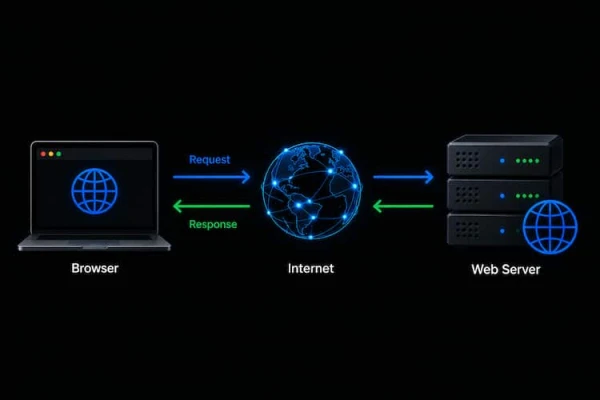
What makes this problem so frustrating is that it usually does not appear while you are still developing locally. In development mode, Laravel and Vite work together in a different way. Vite runs as a dev server, serving assets on the fly, and Laravel knows how to talk to that dev server. There is no need for a static manifest file in the same way, so everything feels smooth and magical.
The trouble begins when you deploy. In production, the dev server is not running. Instead, Vite must generate static files that live in your public directory, and Laravel must know how to find them. If you deploy your Laravel application without doing a proper build, or if you run a build but forget to upload the generated files to the server, Laravel goes looking for the vite manifest not found at public/build/manifest.json and fails. The result is a broken front end and confusing error logs.
There are also other situations that cause the laravel vite error in production to appear. Sometimes developers change the default paths or structure, but forget to update configuration. Sometimes they deploy to shared hosting environments like cPanel and accidentally upload only part of the build folder, or they put the build files in a different directory than the one Laravel expects. Sometimes they mix development and production modes in the same environment and end up with inconsistent asset states. All these scenarios share the same pattern: Laravel is asking Vite, “Where are the assets?” and Vite’s answer (in the form of the manifest file) is missing or unreadable.
When you see how many ways the manifest can go missing, the error becomes less mysterious. It is not that Vite is unstable; it is that the relationship between building, deploying, and configuring your assets is more precise than many beginners realize at first.
How to Fix the Vite Manifest Not Found Error in Laravel Step by Step
The good news is that fixing this error does not require advanced expertise. It requires careful thinking and a methodical approach, the same kind of calm, step-by-step mindset you try to cultivate in beginners through articles like “Why Should You Learn Laravel as a Beginner? Honest Experience From Zero to Real Projects” and “My Biggest Laravel Learning Mistakes.” Instead of immediately trying random commands or changing configuration blindly, you can walk through a structured checklist in your mind.
First, check your mental map of the build process. Ask yourself: did you actually build your assets for production, or have you only been using the development server locally? If you have never run a production build step before deployment, it is very likely that the public build folder and the manifest file were never generated in the first place. This alone can explain why the vite manifest not found laravel error appears only after deployment.
Next, shift your attention to the server. When you deployed your project, did you include the compiled assets folder that Vite generated? It is common to upload the Laravel project but forget the built assets, especially when using manual file uploads or when zipping specific directories. If the build exists on your local machine but not on your server, then Laravel in production is literally looking for a file that lives only on your laptop.
Then, think about the path. Laravel expects the manifest file in a specific location—usually inside a build folder under the public directory. If you changed the default configuration or moved things around to “clean up” your project structure, you might have accidentally broken the path that Laravel uses to find the manifest. This is similar to the kind of problem you describe in “How to Refactor and Improve a Laravel Project Without Breaking Everything”—sometimes rearranging things without understanding the hidden connections leads to subtle breakage in production.
Finally, consider the environment differences between local and production. If your local environment has tools, permissions, or Node versions that your production environment does not, the build might behave differently or fail silently. While this article does not go into low-level deployment details, it is important to remember that your project does not live in a vacuum. The machines it runs on matter. Fixing the laravel vite manifest missing issue often means making sure your deployment process is repeatable, complete, and aligned with what Laravel expects in production.
Preventing Vite Manifest Errors in Future Laravel Projects
Solving the problem once is valuable, but learning how to prevent it in the future is where you really grow as a developer. The Vite manifest not found error is not just a bug; it is feedback. It tells you that your mental model of the build and deployment process needs to become clearer and more intentional.
One way to prevent this class of problems is to treat the build step as a first-class part of your deployment checklist, not an optional afterthought. Just as you would never deploy a Laravel project without configuring your environment file or database, you should never deploy without intentionally generating and including your production assets. Writing down a simple, reusable deployment checklist can help you avoid forgetting critical steps. This aligns with the kind of reflective practice you describe in “My Journey With Laravel: How This Framework Transformed the Way I Learn, Think, and Build”—you are not just writing code; you are designing a process.
Another preventive habit is to keep your project structure clear and consistent. When you refactor your folders, rename things, or change configuration related to Vite, be aware that Laravel trusts certain paths and expects certain files. Small “tidy ups” can cause large issues if the underlying expectations are not respected. This is why understanding the system—rather than just trying tricks—is so important. Once you see how everything connects, you are much less likely to accidentally make Laravel look for a manifest file in the wrong place.
You can also use this error as an invitation to document your production setup. Instead of assuming you will remember everything next time, write down how your build folder is structured, where the manifest file lives, and how your hosting environment is configured. Over time, as you deploy more and more projects, this kind of documentation becomes one of your biggest strengths. It turns messy trial-and-error into a repeatable routine, especially if you are also balancing your learning with other responsibilities, like you describe in “Learning Laravel Without a CS Degree: How I Built Confidence, Skills, and Real Projects From Zero.”
What the Vite Manifest Error Teaches You About Laravel and Your Growth as a Developer
Just like the 419 Page Expired error, the Vite manifest not found error is more than a technical glitch. It is a small lesson about how Laravel, tools like Vite, and your hosting environment all interact. Instead of seeing it as a punishment, you can see it as a moment where Laravel is gently forcing you to think more like a system designer and less like someone just running commands.
When you understand why Laravel looks for the manifest, what Vite produces, and how production differs from development, you shift from feeling like a victim of random errors to feeling like the architect of your own deployment process. This is the same kind of transformation you describe in “My First Laravel Project: How One Simple App Changed Everything.” The code did not magically change overnight; your understanding did.
Over time, challenges like the laravel vite error in production, broken asset paths, and missing manifests become part of your personal library of solved problems. You start recognizing patterns: local works, production breaks, error hints at a missing file, path, or configuration. Instead of panicking, you breathe, follow your checklist, and fix the issue with calm confidence.
And that is really the deeper story behind errors like vite manifest not found at public/build/manifest.json. They are not just obstacles. They are milestones that mark your progress from a beginner who feels lost when something breaks to a developer who can explain calmly, to others and to yourself, exactly what went wrong and how to make it right.Laravel Deployment Errors — Complete Fix Guide





































Discussion 0