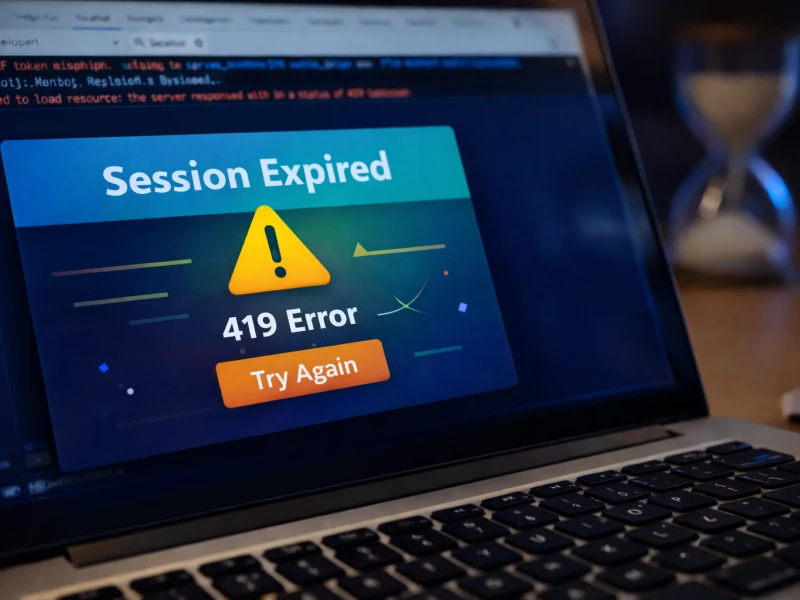
Laravel Permission Denied – Fix Storage and Server Permissions
One of the most frustrating moments during Laravel development happens when an application suddenly stops working after deployment. Pages that worked perfectly on the local machine may suddenly fail, images may disappear, or certain features may stop responding entirely.
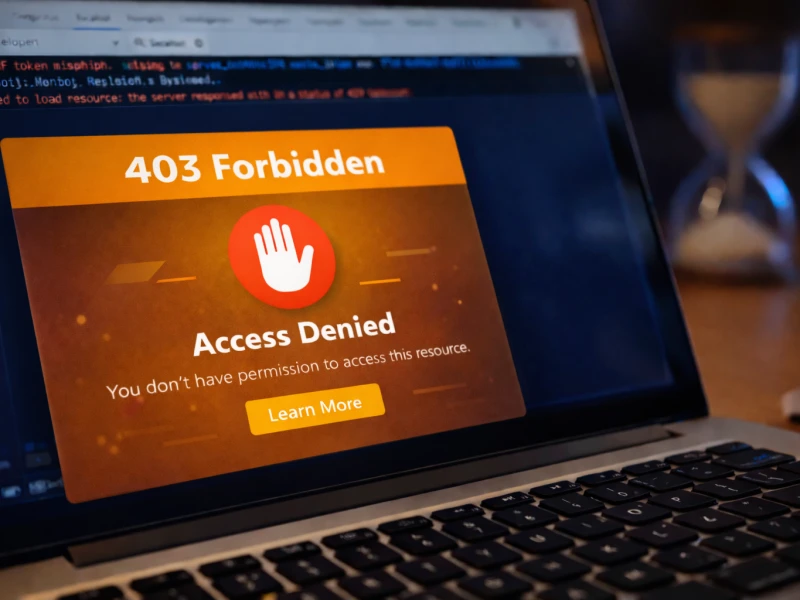
When this happens, developers often discover an error message indicating that access to a file or directory has been denied.
The permission denied error is not caused by incorrect application code. Instead, it usually comes from the server environment refusing to allow certain operations.
Understanding why these permission problems occur is essential for maintaining stable Laravel applications.
Developers deploying projects to shared hosting platforms frequently encounter these issues. For example, missing images after deployment may be related to permission problems, which is discussed in Laravel Storage:link Not Working on cPanel (Images Missing After Deploy).
By learning how server permissions work, developers can solve these problems much more quickly.
Why Server Permissions Affect Laravel Applications
Web servers enforce strict rules about how applications interact with files. These rules exist to prevent unauthorized access and protect the server from malicious behavior.
Laravel applications rely heavily on writing temporary data while the application runs. The framework constantly generates cached views, logs, and compiled templates in order to improve performance and maintain application stability.
If the server blocks these operations, Laravel cannot perform essential tasks required for the application to function correctly.
As a result, developers may see errors while loading pages, uploading files, or interacting with application features.
Because these restrictions originate from the server rather than the application code, developers sometimes struggle to identify the real cause of the problem.
Why Permission Errors Often Appear After Deployment
Permission issues rarely appear during local development because local environments typically grant broad file access to applications.
However, when a project moves to a hosting server, the environment changes dramatically. Hosting providers enforce stricter security policies in order to protect the server and other hosted applications.
These policies may prevent applications from modifying files or writing data in certain directories.
Developers often encounter permission errors immediately after uploading their project files. In some cases, pages may load but certain features fail silently.
Other deployment issues may appear at the same time, including server errors like Laravel 500 Server Error — Why It Happens After Deploy or During Development.
Understanding that these problems originate from the server environment rather than Laravel itself helps developers focus their troubleshooting efforts more effectively.
How Hosting Environments Influence Laravel Behavior
Different hosting platforms manage server permissions in different ways. Some environments automatically configure permissions during deployment, while others require developers to adjust settings manually.
Shared hosting environments, in particular, may apply additional security layers that restrict file access. These restrictions help protect other users on the same server but can sometimes interfere with application functionality.
Developers working with shared hosting panels may notice that certain features behave differently than they did in development.
In many cases, the solution involves understanding how the hosting platform handles file access and ensuring that Laravel receives the permissions it needs to operate correctly.
Preventing Permission Errors in Laravel Projects
Preventing permission issues begins with careful deployment practices.
Developers should verify that the hosting environment supports the requirements of the Laravel framework and that the application has appropriate access to perform necessary operations.
Testing the application thoroughly after deployment is essential. Developers should verify that pages load correctly, images appear as expected, and interactive features function normally.
If problems appear, investigating server permissions early can save hours of unnecessary debugging.
Developers who regularly deploy Laravel applications eventually develop a deeper understanding of how server environments interact with their projects, allowing them to avoid many common issues.
Conclusion
The Laravel permission denied error can be frustrating, but it usually indicates a simple conflict between server security policies and application requirements.
By understanding how hosting environments manage file access and how Laravel interacts with the server, developers can quickly resolve permission issues and restore normal application behavior.
With proper deployment practices and careful testing, Laravel applications can run smoothly even in restrictive hosting environments.



















Discussion 0